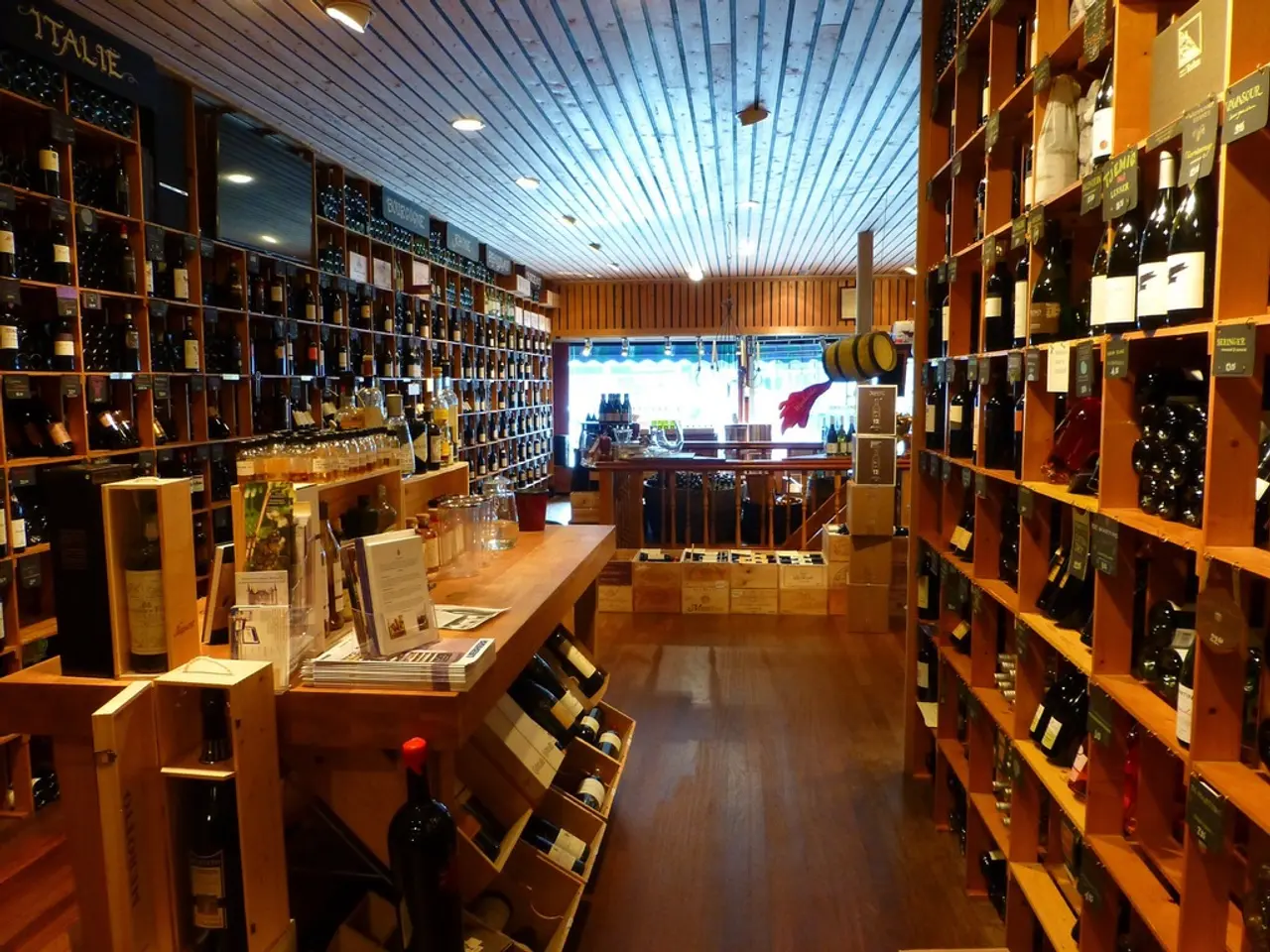
Bottles Crafted from Glass Available for Retail Products and Common Household Items
In the bustling retail landscape of Australia, businesses have a wide range of options for packaging solutions, with glass packaging emerging as a popular choice for its growing consumer appeal. Companies opting for glass packaging benefit from its sustainability, premium feel, brand differentiation, and product protection.
One of the key advantages of glass packaging is its alignment with the increasing consumer and regulatory demands for environmentally friendly, recyclable, and reusable materials. This commitment to sustainability not only enhances brand reputation but also meets market trends favouring sustainable products.
Moreover, glass's transparency, weight, and tactile quality create a perception of higher product quality and trustworthiness. This is particularly effective in sectors such as cosmetics, gourmet foods, beverages, and alcohol. Heavier, well-designed glass bottles psychologically attract consumers willing to pay a premium.
Glass's impermeable nature also protects contents from air and contaminants, preserving freshness and extending shelf life, which is especially crucial for food, beverage, and pharmaceutical products.
Design versatility is another significant advantage. Glass packaging can be molded into diverse shapes and sizes, allowing retailers to differentiate products visually on shelves and optimize space usage with innovations like lightweight and stackable designs.
However, choosing glass packaging is not without its considerations. Glass is heavier than plastics, which can increase transport costs and require careful handling to avoid breakage. Additionally, glass packaging generally has higher material and manufacturing costs compared to alternatives, although innovations in lightweight glass and modular manufacturing offer some efficiency gains.
To fully benefit from glass packaging, retailers and manufacturers should seek suppliers using modern production techniques such as AI-driven quality control and modular molds that enable custom runs and faster turnaround. Incorporation of features like UV-protective coatings or NFC technology for interactive experiences can add value but may require additional investment and coordination.
In summary, Australian retailers selecting glass packaging gain substantial advantages in sustainability alignment, premium positioning, and product integrity but must balance these with factors like cost, weight, and innovation capabilities for best results. With the right glass packaging partner, businesses can unlock new opportunities to captivate their audience and build a lasting legacy of quality and sustainability.
From beverages to personal care and speciality goods, glass bottles cater to the diverse needs of the retail sector. Amber glass bottles, for instance, add a retro charm to product displays and communicate an image of tradition and trustworthiness. Apothecary jars, synonymous with elegance and functionality, are commonly used in pharmaceutical, beauty, and wellness sectors.
The potential for differentiation and consumer appeal is immense with quality glass packaging. Innovations in glass production and recycling processes continue to enhance the efficiency and appeal of glass packaging. Glass is 100% recyclable, aligning with increasing consumer demand for environmentally responsible products.
Amber glass bottles offer natural UV protection and are ideal for storing light-sensitive products. Glass is chemically inert and does not react with the contents it holds, ensuring product integrity. Choosing glass packaging involves considering factors such as product compatibility, market segment, and brand image.
In essence, glass bottles and jars represent an investment in product integrity, brand elevation, and environmental stewardship for retailers. By making the switch to glass packaging, retailers can make a statement about their commitment to environmental responsibility, enhancing brand loyalty and market position.
- In the realm of fashion-and-beauty and lifestyle sectors, amber glass bottles add a retro charm and communicate an image of tradition and trustworthiness.
- retailers in the food-and-drink industry often opt for apothecary jars, as they are synonymous with elegance and functionality, offering a secure storage solution for various products.
- As consumers increasingly demand sustainable products, glass's 100% recyclability makes it an attractive choice for retailers in home-and-garden, food-and-drink, and shopping segments, aligning with market trends.