Different Kinds of Tiles for Your Bathroom Refurbishment: Your Handy Guide
When it comes to choosing the right tiles for your bathroom, two popular options are porcelain and ceramic. Both have their own advantages, and understanding these differences can help you make an informed decision for your remodel.
Porcelain Tiles
Porcelain tiles are a popular choice in current bathroom trends due to their durability, slip resistance, and low porosity. They are fired at higher temperatures and greater pressures than ceramic tiles, making them denser, harder, and more water-resistant. This means that porcelain tiles absorb very little water, ideal for wet environments like showers and bathroom floors. Their smooth, fine-grained surface makes cleaning easier, as stains are less likely to penetrate.
One of the practical advantages of porcelain tiles over ceramic tiles in bathrooms is their superior water resistance, greater durability, and superior stain resistance. Porcelain tiles require no sealing or specialist cleaning products, making them ideal for busy households or rooms with high humidity.
Ceramic Tiles
Ceramic tiles, while still suitable for bathrooms, are more porous and moderately less durable than porcelain. This means that they may require more frequent sealing, especially if unglazed, and can be harder to clean if stains or oils penetrate the surface. However, ceramic tiles will always be a good choice for bathroom walls, and they tend to be glazed, adding a decorative touch to any bathroom.
Choosing Between Porcelain and Ceramic Tiles
If ease of cleaning, water resistance, and durability are priorities, porcelain tiles are the best choice for bathrooms. They are denser, harder, and more resistant to scratches, stains, and wear, making them great for family or high-traffic bathrooms. On the other hand, ceramic tiles can be used in less wet areas of the bathroom or where cost and installation ease are more critical. A practical approach might be using porcelain for floors and wet zones, with ceramic for walls or drier spots.
Other Bathroom Tile Options
While porcelain and ceramic tiles are the most practical and popular choices for bathroom settings, other options like natural stone or glass exist. However, these materials vary in durability and maintenance needs. For instance, marble tiles add wow factor with their striking colors and natural veining, but are porous and require sealing. Terrazzo tiles, on the other hand, are hardwearing, water-resistant, and relatively low maintenance.
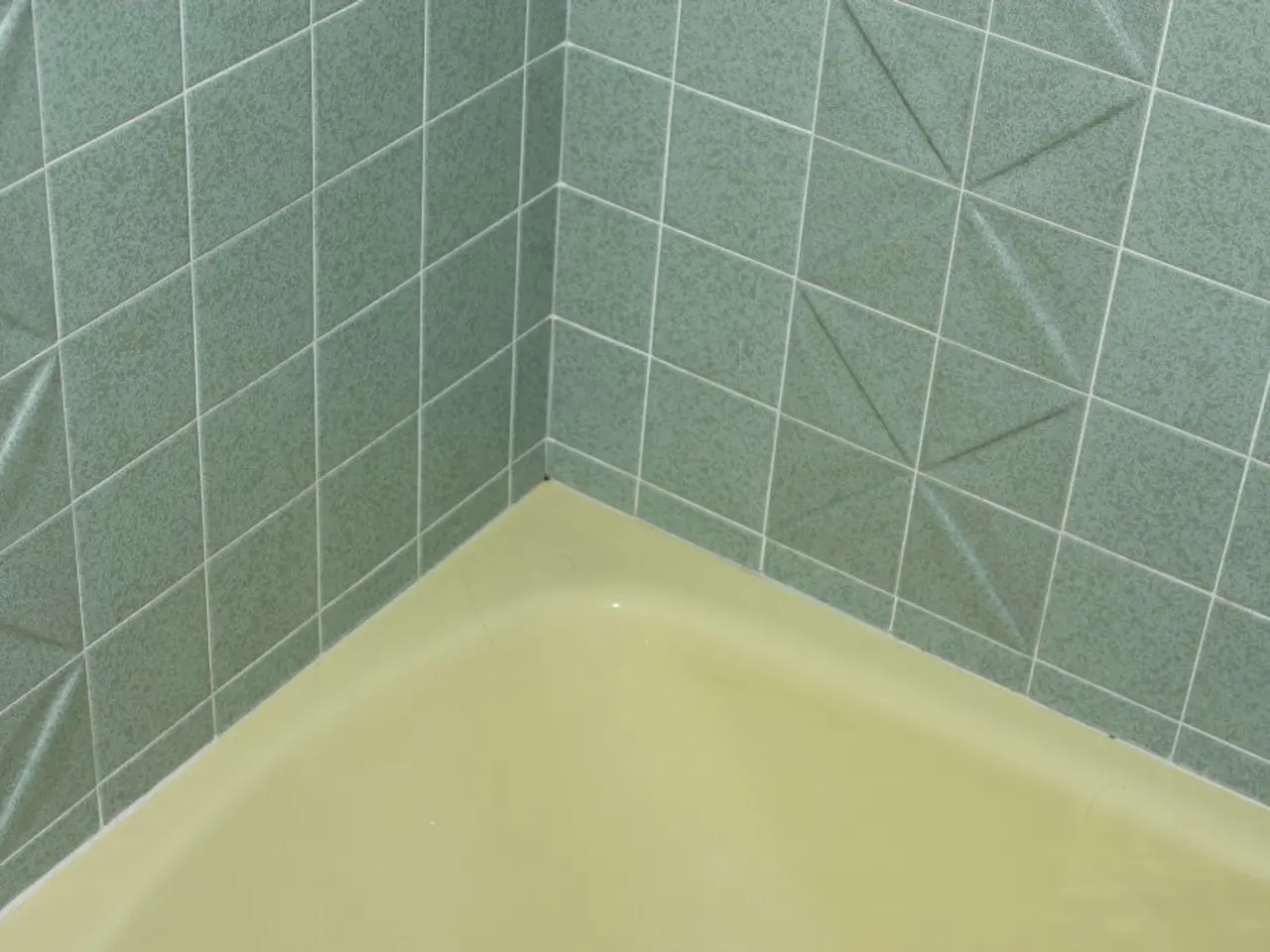
When selecting tiles, it's important to consider texture, color, scale, and format. For example, Zellige tiles are small, usually square, and glazed, with a slightly uneven surface and a high-shine finish. They are best suited for bathroom walls and tile-drenching wet rooms. Bejmat tiles, on the other hand, are often rectangular and are best suited for bathroom floors.
In conclusion, when remodeling your bathroom, consider the practical advantages of porcelain and ceramic tiles. If you fall in love with a tile but it's pricey, think about where you could use it in a small area, like behind a basin, inside a shower recess, or as a framed feature panel. And remember, varying the scale of the different tiles can add depth and visual interest to a space.
- In the realm of contemporary interior design, porcelain tiles have been a preferred option in bathrooms due to their resistance to slips, durability, and low water absorption.
- Porcelain tiles, being denser and harder than ceramic, are fired at greater temperatures and pressures, enhancing their water resistance.
- The smooth, fine-grained texture of porcelain tiles makes them easier to clean, as stains seldom penetrate their surface.
- Porcelain tiles necessitate no sealing or specialized cleaning solutions, making them suitable for busy homes or high-humidity rooms.
- Despite being suitable for bathrooms, ceramic tiles are more porous and less durable than porcelain, requiring regular sealing, particularly on unglazed tiles, and easier penetration for stains and oils.
- When making a decision between porcelain and ceramic tiles, prioritizing ease of cleaning, water resistance, and durability aligns with the selection of porcelain tiles for bathrooms.
- In selecting tiles for bathroom remodeling, it's crucial to consider factors like color, texture, scale, and format to create a visually engaging and functional space.
- Innovations in lifestyle, fashion, and technology continue to influence home-and-garden sectors, with artificial intelligence opening doors for smart gadgets and tiles, blurring boundaries between technology and traditional interior design.