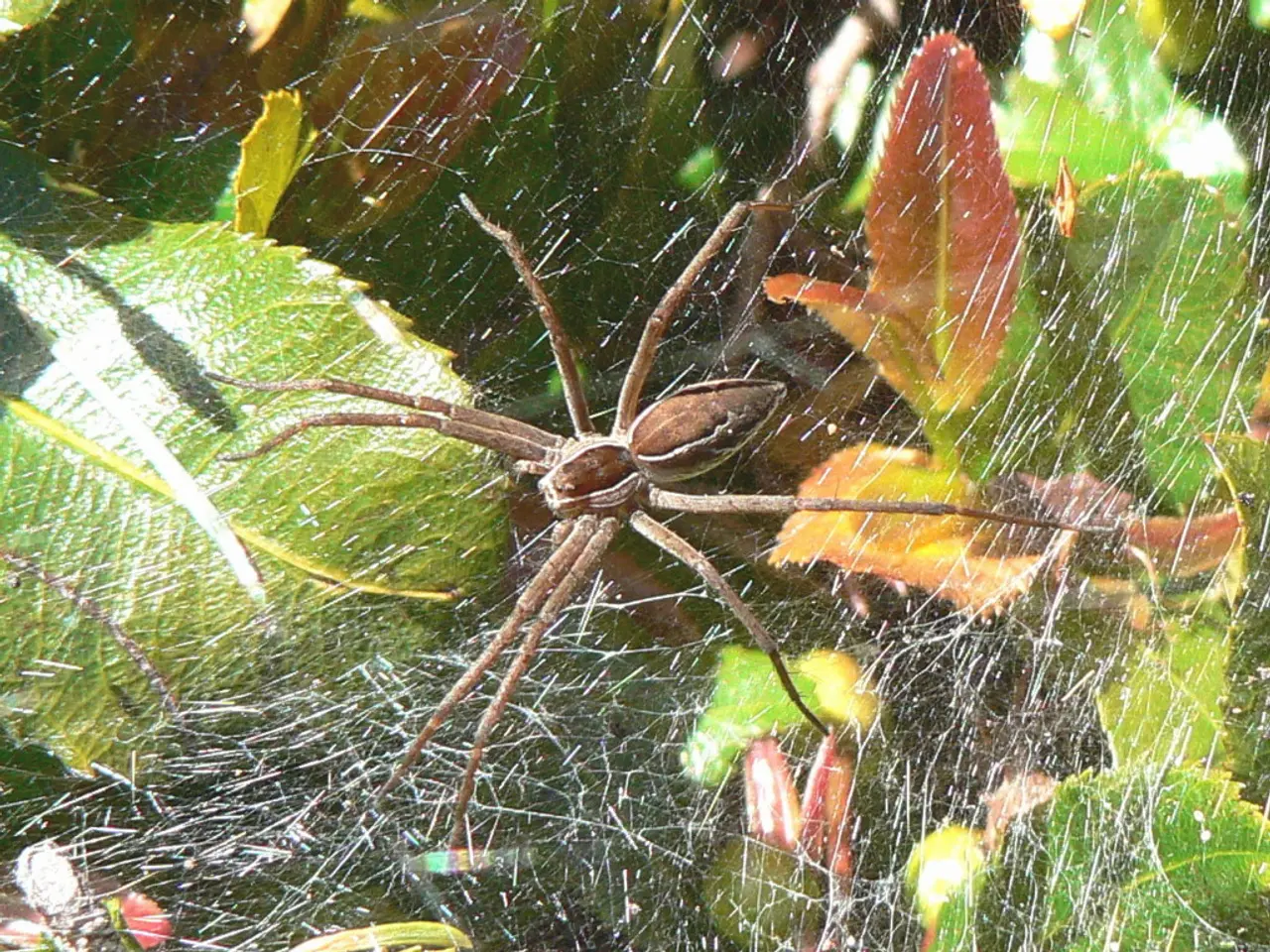
Safeguard your residence from autumn spider infestations with this unexpected all-natural deterrent
Effective Spider Prevention with Clove Oil: A Comprehensive Guide
Nicole Carpenter, CEO of Black Pest Prevention, is dedicated to helping homeowners in Charlotte and the surrounding areas of North and South Carolina with their pest control needs. One natural solution she recommends for spider prevention is clove oil.
Clove oil, extracted from the Indonesian clove plant through traditional steam distillation, contains a compound called eugenol. This compound disrupts the sensory receptors spiders use to navigate and hunt, making it an effective deterrent. However, it's essential to note that clove oil is more of a nuisance for spiders than a danger sign, and it doesn't always keep them out of certain areas like garages or basements.
To effectively use clove oil for spider prevention, dilute the oil before application to avoid irritation or surface damage. A typical dilution is 10 to 15 drops of clove oil per cup of water, optionally with a few drops of dish soap to help it stick to surfaces. Apply this mixture as a spray around typical spider entry points and hiding spots like windowsills, door frames, baseboards, vents, attic corners, behind furniture, and under sinks.
For best results, reapply every 3 to 4 days or after cleaning, as the scent fades, and spiders can return once the odor dissipates.
Integration with other pest control methods enhances effectiveness. Combine clove oil spray with good home sanitation (declutter, vacuum webs and egg sacs regularly). Seal cracks and gaps in doors and windows to block spider entry. Use other natural repellents like peppermint oil, citrus peel, vinegar, or eucalyptus oil diffusers to create a multi-sensory deterrent effect. For comprehensive control, clove oil can be part of an integrated pest management (IPM) strategy, involving combining chemical, physical, and biological tactics to reduce pests sustainably.
Avoid using pure clove oil directly on skin or surfaces, as it can be strong and irritating. Store clove oil away from children and pets, as even diluted oils should be used with care around them. Clove oil primarily acts as a repellent by confusing spiders’ sensory systems rather than killing them; for killing insects around plants or indoors, products with low concentration clove oil sprays may be more appropriate.
In addition to clove oil, there are other practical solutions for spider prevention. Dawn Powerwash, with a fresh lemon scent and a concentrated soap formula, is perfect for cleaning areas where spiders live. Sweeping regularly in kitchens, basements, and garages can help remove cobwebs and debris that could offer spiders shelter. White vinegar, with its strong odor, can help deter spiders and is also ideal for cleaning food prep areas and treating mold.
For a more comprehensive approach to pest control, consider seeking the expertise of professionals like Mihail Velev at Fantastic Pest Control, who specializes in comprehensive rodent and insect treatments. By following these tips and integrating natural solutions with professional help, you can effectively manage spiders and other pests in your home.
Adopting a home-and-garden routine that includes regular cleaning and decluttering, as well as using natural pest repellents like clove oil, can contribute to maintaining a spider-free lifestyle. Application of a clove oil spray, mixed with dish soap and water, around typical spider entry points and hiding spots can help deter spiders effectively.